

I moved 20 times by the time I was 9. We lived in BC, Alberta, and Ontario, and I went to 7 different schools.
And in the middle of that was my uncle, William H. Holloman III. Uncle Bill was married to my dad’s oldest sister (though they divorced when I was really young.) He was living in Vancouver when he met my aunt, she was in nursing school and he was flying helicopters for an exploration company. Two of my cousins were born in BC before they moved to Washington state.
To me as a kid, he was a guy who had an infectious laugh, an interesting art collection, a distinctive relationship with time – we called it Holloman Time – and most importantly a cupboard full of all the sugar cereals I was forbidden at home.
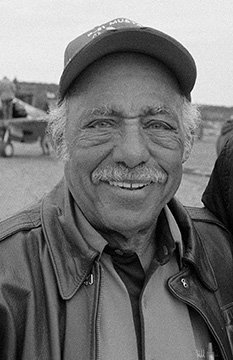
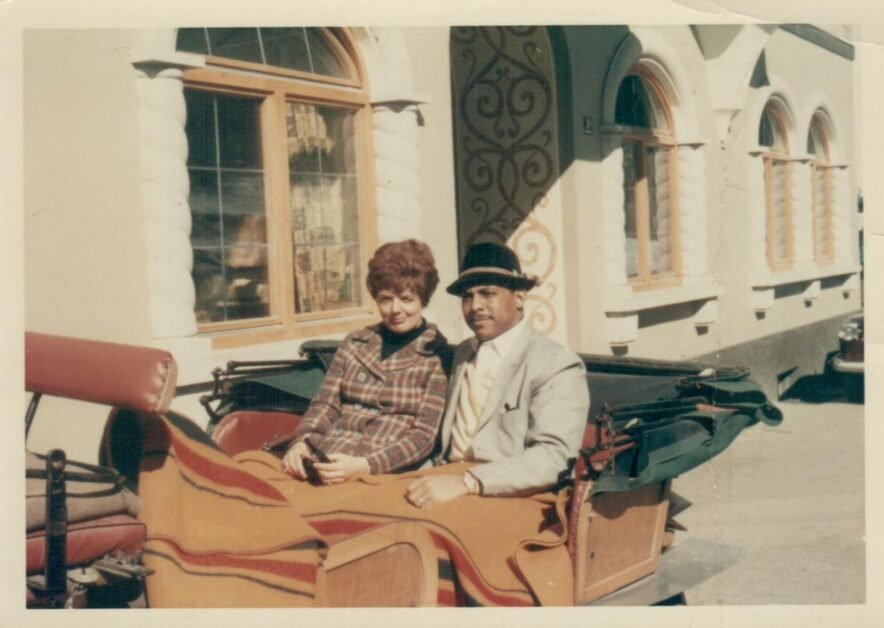
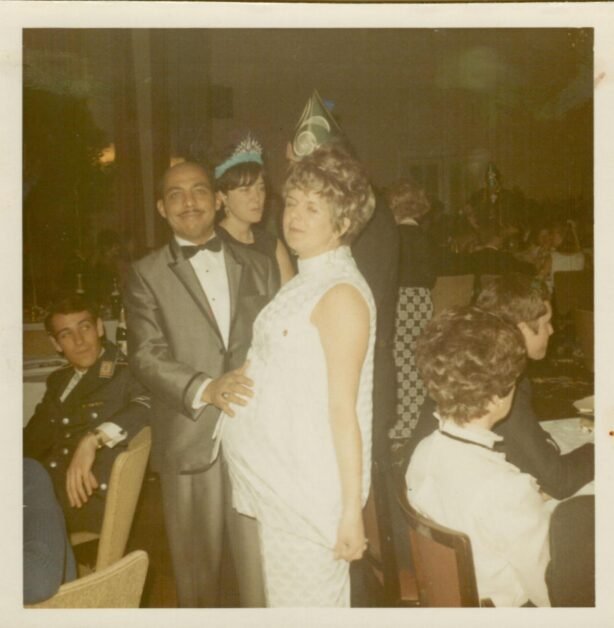
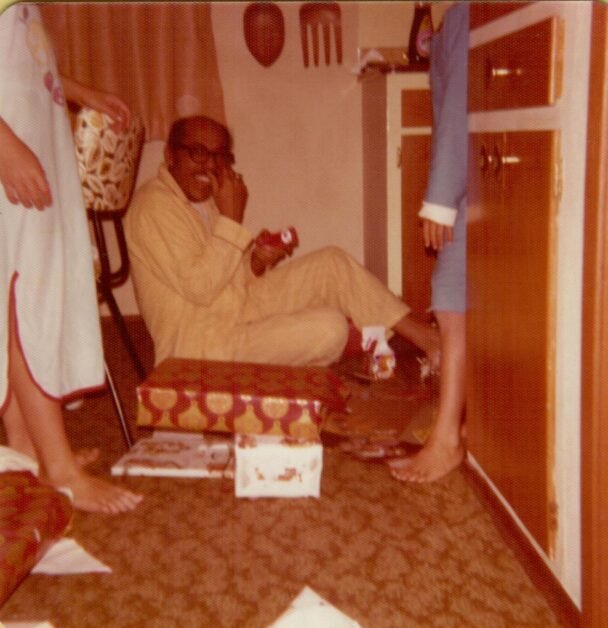
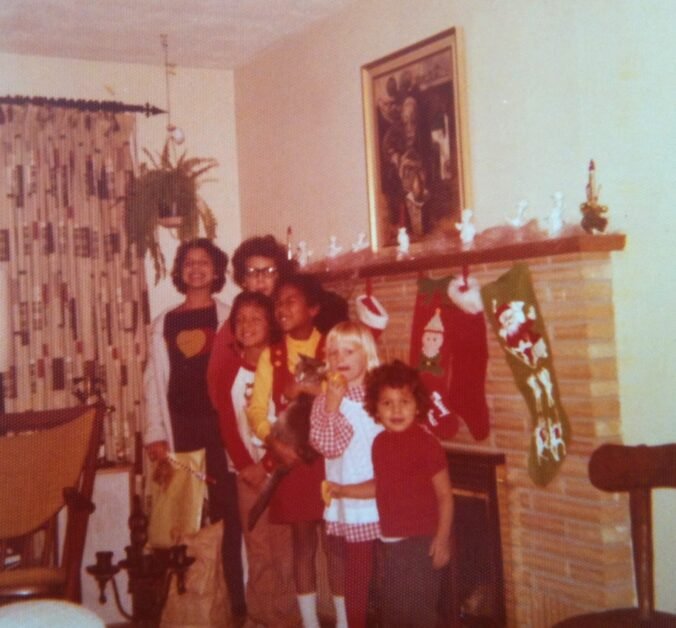
It took me years to understand who he really was.
A Life That Started in a Divided America
William H. Holloman III came of age in a United States that was still deeply segregated—socially, institutionally, and militarily.
In 1941, the U.S. Army Air Corps established a training program at Tuskegee Army Air Field in Alabama to evaluate whether Black men could serve as military pilots. The program itself existed because of pressure from civil rights organizations and leaders who challenged the exclusion of Black Americans from aviation roles.
The expectation from many in power was failure.
Instead, what emerged was excellence.
The Tuskegee Airmen
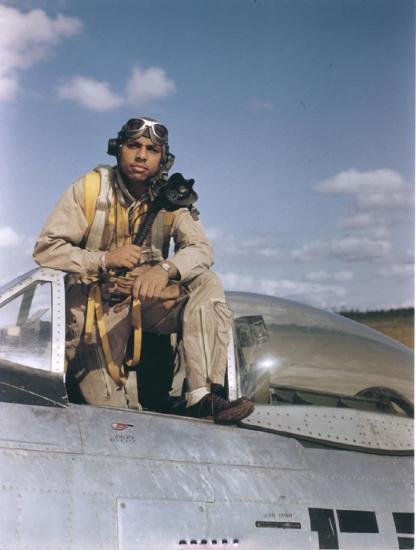
The Tuskegee Airmen became the first Black military aviators in U.S. history. Between 1941 and 1946, nearly 1,000 pilots were trained through the program, along with thousands of mechanics, navigators, and support personnel.
They flew missions in North Africa and Europe during World War II – most famously escorting bombers in P-51 Mustangs with distinctive red tails. Their units, including the 332nd Fighter Group and the 477th Bombardment Group, built a reputation for discipline and effectiveness under pressure.
Despite operating within a segregated military, their performance directly contributed to a turning point: the eventual desegregation of the U.S. Armed Forces under President Harry S. Truman’s Executive Order 9981 in 1948.
My uncle was part of that history.
Not adjacent to it. Not watching it.
Inside it.
Timeline: Context Around His Service
- 1941 – Tuskegee Army Air Field established in Alabama
- 1942–1945 – Tuskegee Airmen deploy in WWII combat missions
- 1944 – 332nd Fighter Group begins long-range bomber escort missions in Europe
- 1945 – WWII ends; Tuskegee program continues briefly post-war
- 1948 – Executive Order 9981 desegregates the U.S. military
This was the environment in which my uncle trained, served, and built the foundation of his career.
Breaking Another Barrier: First Black Helicopter Pilot
After his time connected to the Tuskegee program, William H. Holloman III continued his career in the United States Air Force.
He went on to become the first Black helicopter pilot in the U.S. Air Force.
It’s the kind of achievement that often gets reduced to a single line – but structurally, it represents another barrier broken. Helicopter aviation was still evolving in the post-war era, particularly through the late 1940s and 1950s, with expanded use during the Korean War and beyond.
To enter that space as the first meant:
- No precedent
- No mentorship pipeline
- No institutional roadmap
Just capability – and the willingness to move forward anyway.
The Funeral, and What I Didn’t Yet Understand
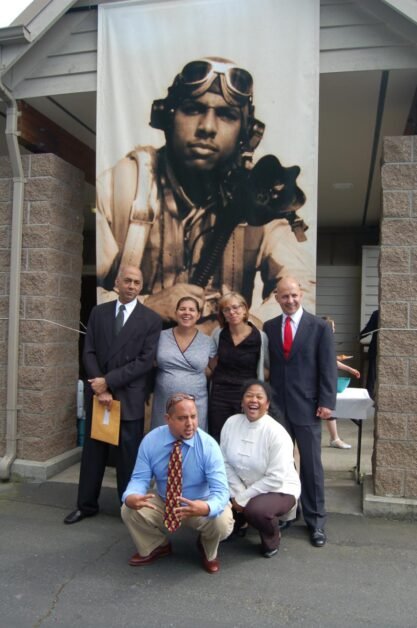
We lost him in 2010, shortly after my daughter was born, and my cousin Lesley (his youngest daughter) was pregnant with her first son.
I remember attending his funeral in that strange, emotional fog of early motherhood – everything feeling both immediate and distant at the same time.
I knew it was significant.
I just didn’t yet understand how significant.
It’s only now, with distance and perspective, that the full weight of his life has settled in. That the man I called “Uncle” had lived inside a moment that helped reshape both military history and civil rights in the United States.
Legacy
Later in life, Uncle Bill stepped more visibly into the role of storyteller and educator, sharing his experiences with new generations who only knew the Tuskegee Airmen from history books. He spoke at airshows and aviation events across the United States, where he had a way of making history feel immediate and personal – less about dates and more about decisions, discipline, and what it meant to serve in a world that didn’t always welcome you. He also served as a consultant on the film Red Tails, helping ensure that the portrayal of the Tuskegee Airmen carried a level of authenticity that honored the reality of their experience. It felt fitting that his voice became part of how their story continues to be told.
What It Means Now
Now, I think about him differently.
I think about what it means for my mixed-race daughter to be connected – even quietly – to that kind of legacy. Not as something to perform, but something to understand.
That courage doesn’t always look dramatic.
That history doesn’t always feel historic when you’re living beside it.
That sometimes, the most extraordinary lives are the ones that sit across from you at the table… and pass the Lucky Charms.
Just discovered your blog, love the content quality.
This is exactly what I was looking for, appreciate the detailed explanation. Shared this with my friends.
Great article! Really informative and well written. Keep creating great content like this.
Very well explained, bookmarked for future reference. Looking forward to your next post.
Just discovered your blog, love the content quality. Shared this with my friends.